
Winemakers these days have a whole range of methods and additives at their disposal to add or remove just about any characteristic from a wine. They can buy tannins or tannin-removing agents, acids or deacidifiers. Inactive yeasts to improve body and mouthfeel. Enzymatic preparations to enhance color intensity and even aromas. A wide range of liquids and powders to help clarify or correct common defects. Grape concentrates such as California’s Mega Purple, made from teinturier grape varieties whose skin and pulp are both tinted, are used to add color, body, and a hint of sugar to red wines that may lack them.
It’s no wonder, then, that some people are looking for a purer experience: “natural” wine, with minimal intervention and few or no additives. Although there is often no legislation or consensus on its exact definition, such a wine is made from grapes grown according to organic farming methods, or more esoteric methods such as biodynamics, as opposed to the ways of the agrochemical industry.
The term “natural wine” first appeared in France in the early 20th century, with protests in the wine industry calling for a wine produced solely from grapes and without any “artificial” manufacturing, meaning no added water or excessive sweetening. The term as we understand it today dates back to the 1970s, when some obscure French winegrowers opted to reject then-recent developments in agricultural chemistry and continue to work in the traditional way. Until the turn of the millennium, it was used only by a small, niche group of enthusiasts. The real boom began in the mid-2010s, after the preceding decades had given the public some time to deepen their education and given the winemakers enough time to master the art of non-intervention, resulting in increasingly successful wines. In winemaking, doing nothing is also a science; harvesting, for example, must be meticulously planned in order to obtain optimum levels of tannins, sugars, and acids, and to facilitate alcoholic and malolactic fermentations.
Without additives or oenological modifications, natural wines may exhibit several organoleptic traits that are ordinarily considered defects. A “Brett” character comes from yeasts of the Brettanomyces genus, and imparts animal-like (sweat, stable) or medicinal (camphor) aromas. Slow natural fermentations bring volatile acids, including acetic acid, associated with the taste of vinegar, and ethyl acetate, which smells like nail polish remover. Oxidation, which consists of exposing wine to oxygen either deliberately (to increase complexity, as with Madeira) or not (through excessive or poorly controlled aging), brings out aromas of nuts, honey, and overripe apples. Mousiness refers to an odor or flavor reminiscent of basement, wet cardboard, mold, or even mouse urine, resulting from unwanted bacteria or yeast. In small amounts, these traits add complexity. Too much, and they end up with wines that all taste the same. Taken to extremes, they produce something utterly undrinkable.
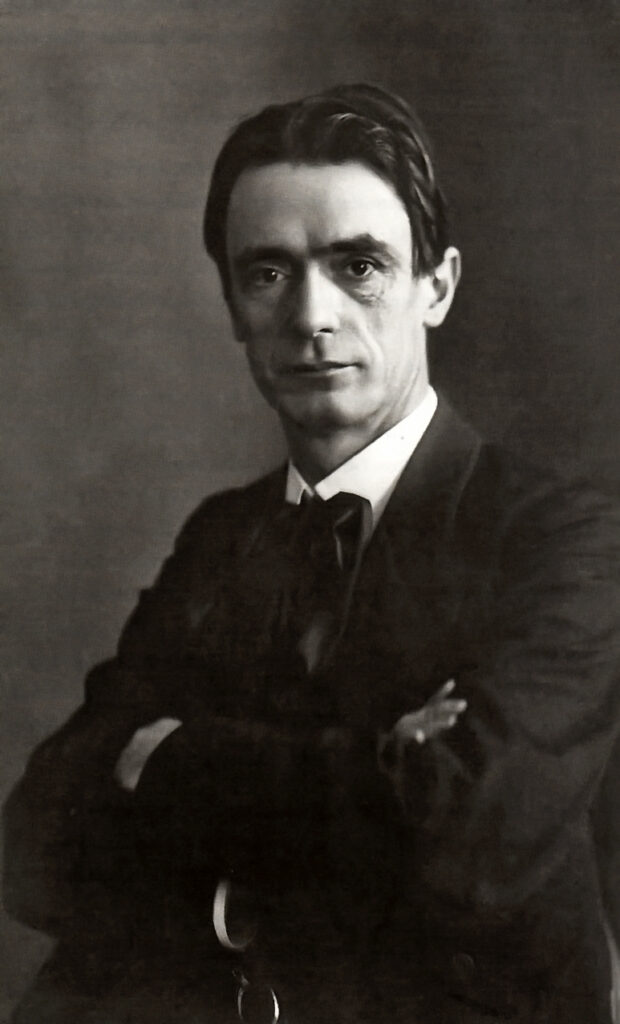
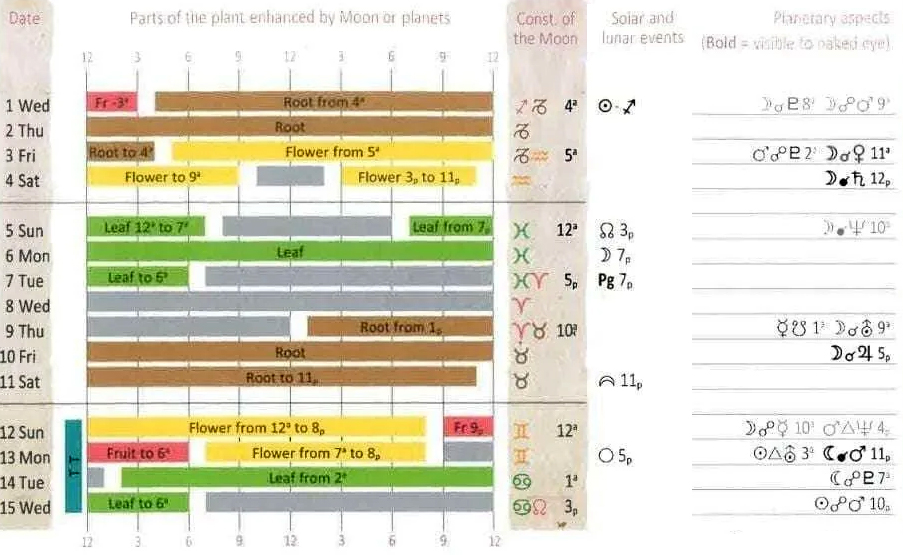
Many natural winemakers have converted to biodynamic viticulture. This movement is the brainchild of writer and occultist Rudolf Steiner, creator of “esoteric freemasonry” and anthroposophy (the “science” that unlocks the mysteries of the occult world through spiritual means). In 1924, Steiner develops biodynamic agriculture, a system of agricultural production that follows his principles, in reaction to the arrival of chemical fertilizers in industrial agriculture. He dies the following year, and it will be several decades before his radical and wacky ideas are truly revealed to the general public. In the 1960s, the German anthroposophist Maria Thun launches a calendar that identifies favorable dates for agricultural work according to the position of the moon, with the added bonus of a connection to the twelve zodiacal constellations. The Demeter Association, which certifies biodynamic agricultural products, similarly asserts that “the moon and the planets influence plant growth” (meanwhile, actual science thinks otherwise).
In practice, biodynamic agriculture differs from organic farming in its quest for balance and virtuous circles, in the supposed influence of lunar and planetary rhythms, and in the use of specific preparations for soil and plants. Preparations that retain a strong hint of the occult: preparation number 500, “horn manure,” is made from cow dung buried in cow horns to ferment; preparation 501 requires placing ground quartz in cow horns and burying them for six months during the spring and summer, so it can be mixed with water and sprayed on the leaves the rest of the year; 502 is a deer bladder filled with flowers, exposed to the sun for a summer, then buried all winter until spring. There are also many essential oils, tinctures, and infusions based on plants such as nettle, chamomile, horsetail, sage, thyme, garlic, and lavender.
But let’s get to Slovenia. In the Gorizia region in the 1990s, a few Slovenian winemakers on the Italian side of the border begin to take a serious interest in natural wines. Joško Gravner abandons use of chemical fertilizers in the vineyards, as well as stainless steel barrels and vats, and turns to organic farming and oak vats. With his neighbor Stanko Radikon, he experiments with months-long skin maceration, producing deeply colored whites, the future “orange wines” as they are now often known. Soon others on the Slovenian side, such as Aleks Klinec and Aleš Kristančič, follow suit. The movement spreads throughout the region and then elsewhere in Slovenia. Does this mean that all Slovenian wines have become natural? No, of course not. Importers have catalogs full of much less interesting conventional wines. But it is natural wines that have put Slovenia on the world wine map.
More than a quarter of a century after the beginning of this saga, I’ve met some of these Slovenian winemakers, visionaries who have decided to defy the prejudices of an all too often uneducated public sometimes convinced that they’ve been sold plonk, or who might wonder if the wines are made with oranges.
Movia
In Yugoslavia, all bottled wines were produced by state-run cooperatives, which blended grapes or wines brought in by local winemakers. But there was one exception: for having fought alongside Tito in the Communist resistance, a certain Anton Kristančič was granted the right to continue producing his wines on his private estate, in the family since 1820, in the splendid Goriška Brda region. In return, the government became his sole customer, and the Kristančič label acted as the official wine of Yugoslavia. In 1988, around the time of the Slovenian Spring, the vineyard changes its name to Movia, and an early conversion to natural wines takes place. It is now under the direction of Anton’s grandson, the aforementioned Aleš Kristančič, often described as a madcap genius who’s as much a showman as he is a winemaker.
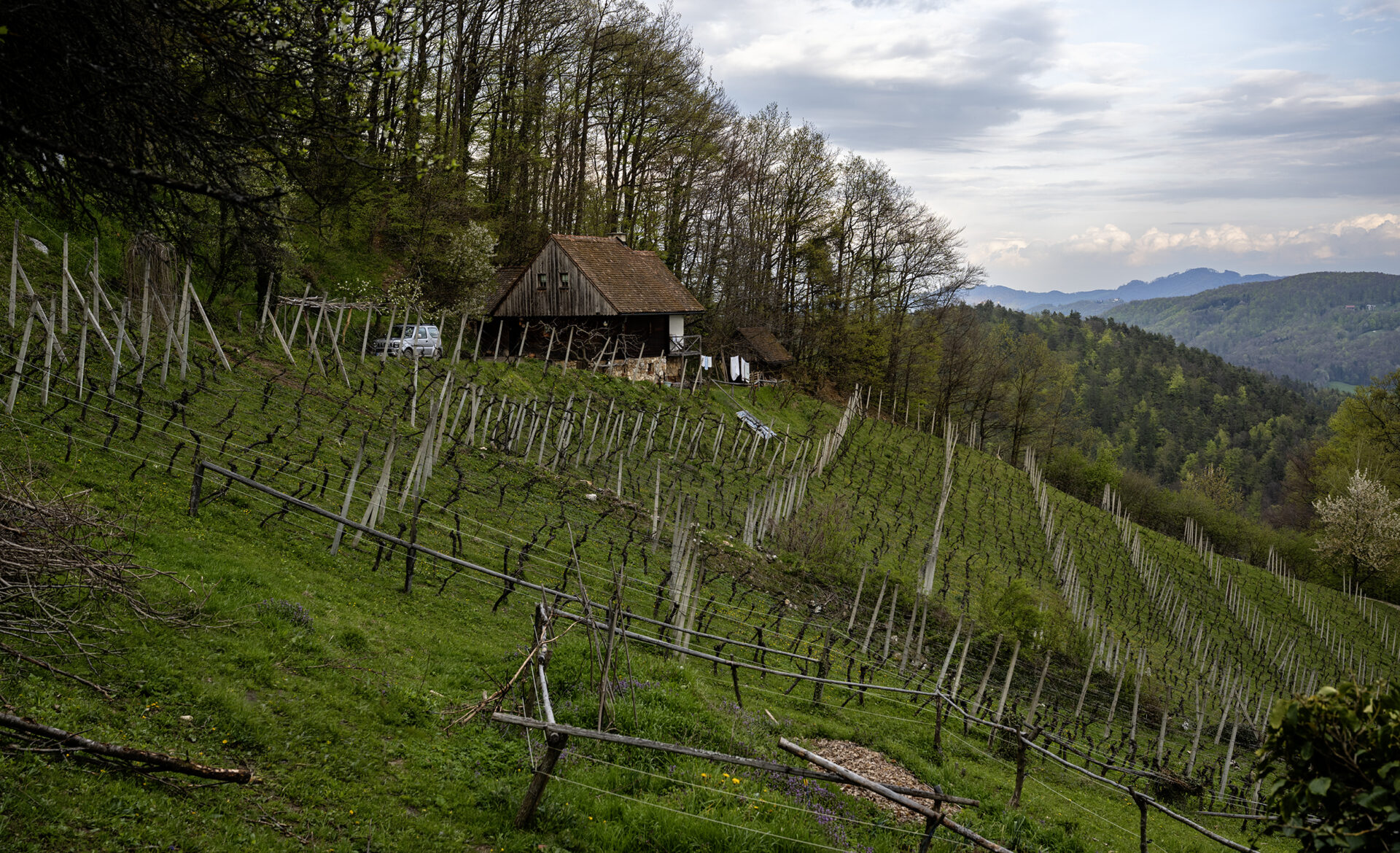
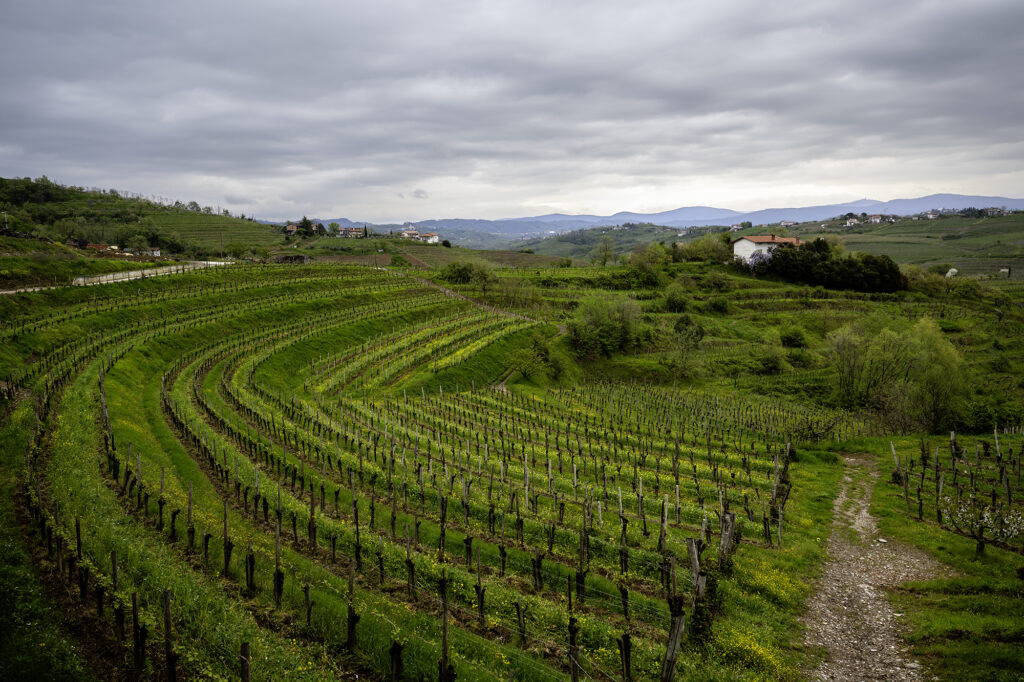
Unfortunately, I don’t get to meet Aleš during my visit to Movia, but the whole family pitches in. His son guides the tours. Mrs. Kristančič leads the tastings and prepares the gastronomic pairings – salami, parmesan, garden asparagus with hollandaise sauce. Showing us the vineyards from the estate’s balcony, Kristančič junior explains that they use only biodynamic compost as fertilizer, and that a ground cover of seven different plants (including clover and rapeseed, which provides a beautiful yellow color) produces nitrogen and helps balance the soil. Goriška Brda has nine main grape varieties: three indigenous whites (Malvasia, Friulano, Ribolla), three international whites (Pinot Grigio, Sauvignon Blanc, Chardonnay), and three international reds (Merlot, Cabernet Sauvignon, Pinot Noir). Movia grows and vinifies them all, for a total of two dozen labels. Modesty be damned, the estate also makes its own wine glasses.
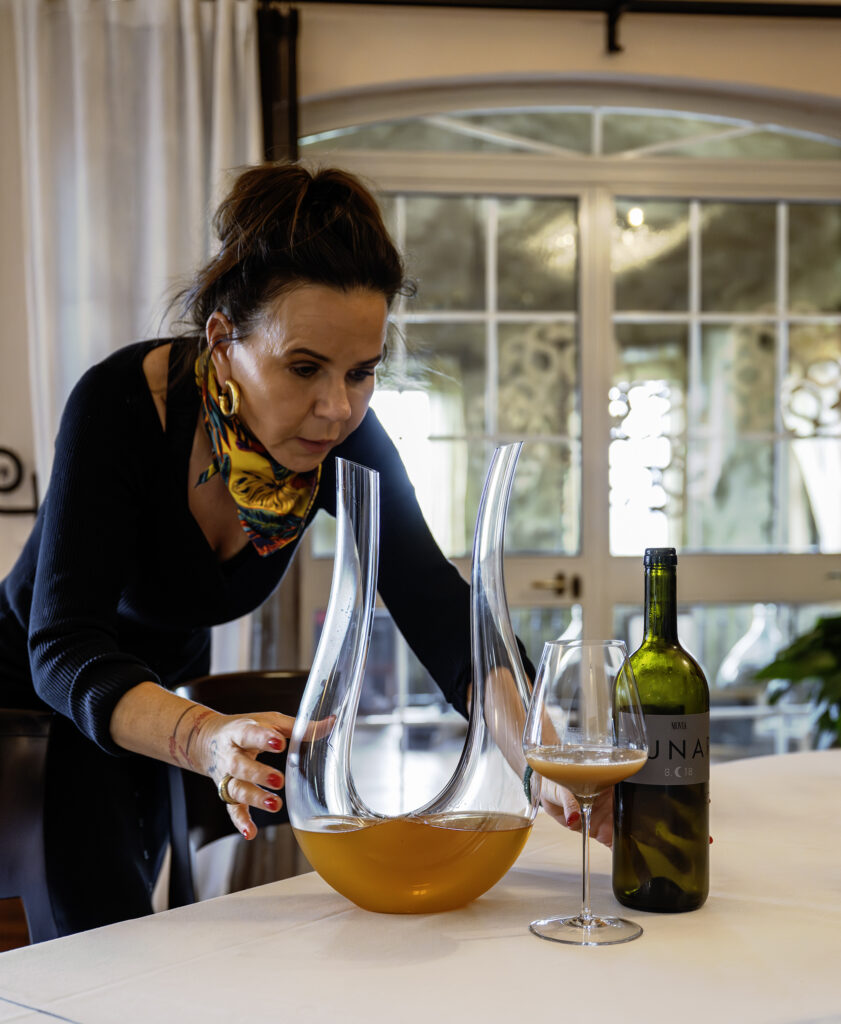
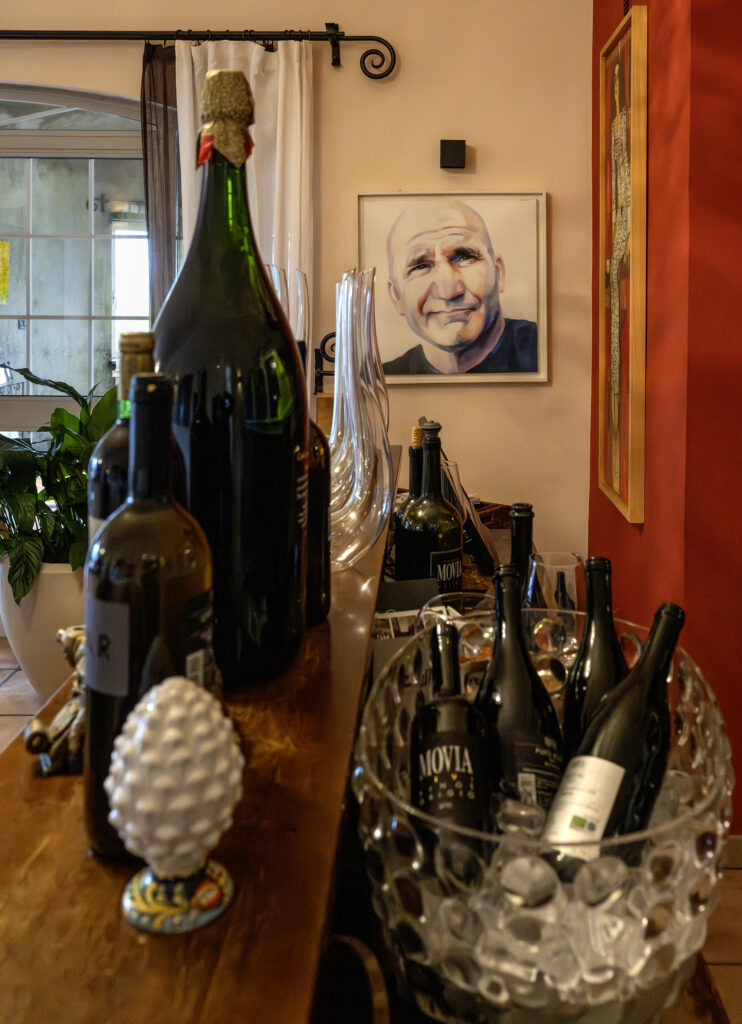
While all are natural, some wines are more interesting than others. The famous Lunar, with its very biodynamic name, is a well-made wine with a long skin maceration (8 months) and a strong bouquet of quince, honey, and herbs, produced with 100% ribolla (rebula in Slovenian). Veliko Rebula, macerated for just two or three days, is another interpretation of the same varietal that retains more peach, fig, and citrus aromas. Then there’s the 100% Pinot Noir natural rosé sparkling wine, unoaked, and uncorked with great fanfare in a large bowl filled with water.
Klabjan
Uroš Klabjan is not easy to find. An internet search returns neither a website nor even a telephone number. The address on the bottle is a bit confusing: Osp, 80a. On site, I realize that a tourism office had put up a sign indicating the estate, but that the owner didn’t like it and removed it.
The Klabjans are a family of rebels. The grandfather already worked the vineyard during Yugo times, but he refused to turn his back on the terroir and never sold his grapes to the local wine cooperative. He produced his own wine, but had neither the authorization nor the means to bottle it, let alone export it. Instead, he sold it under the table to customers in the region and to a few Italians from Trieste and Venice. Everything changed after Slovenia gained independence, as it became possible to buy bottles, corks, and machines, and the market expanded – ah, freedom! Uroš started working at the winery with his father in 1993 and made his first wine on his own in 1997.
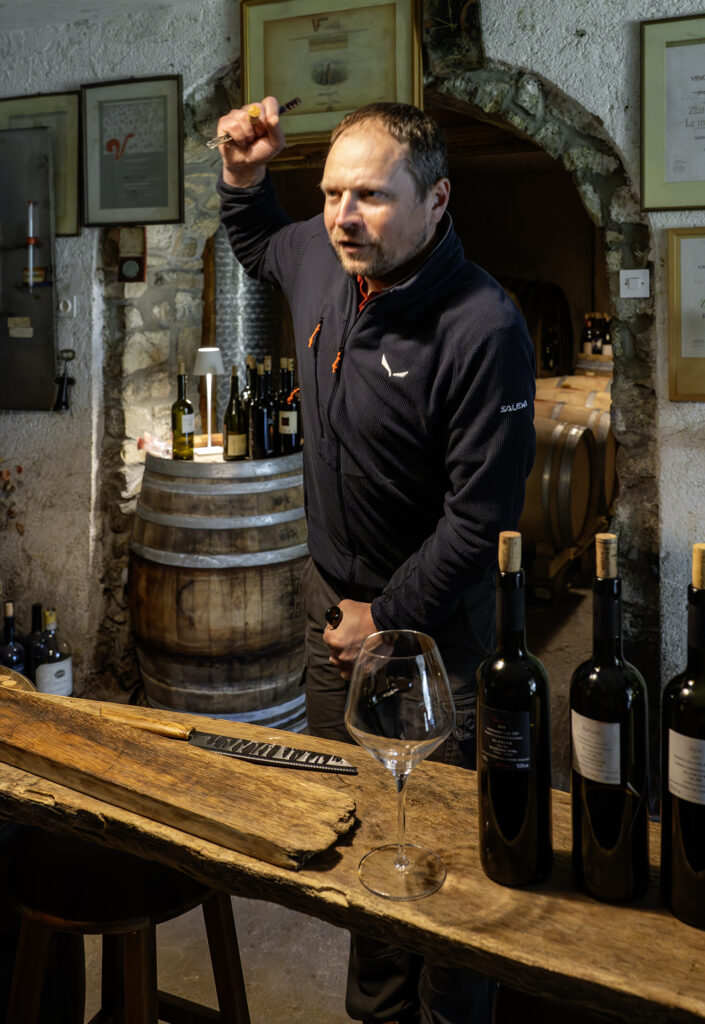
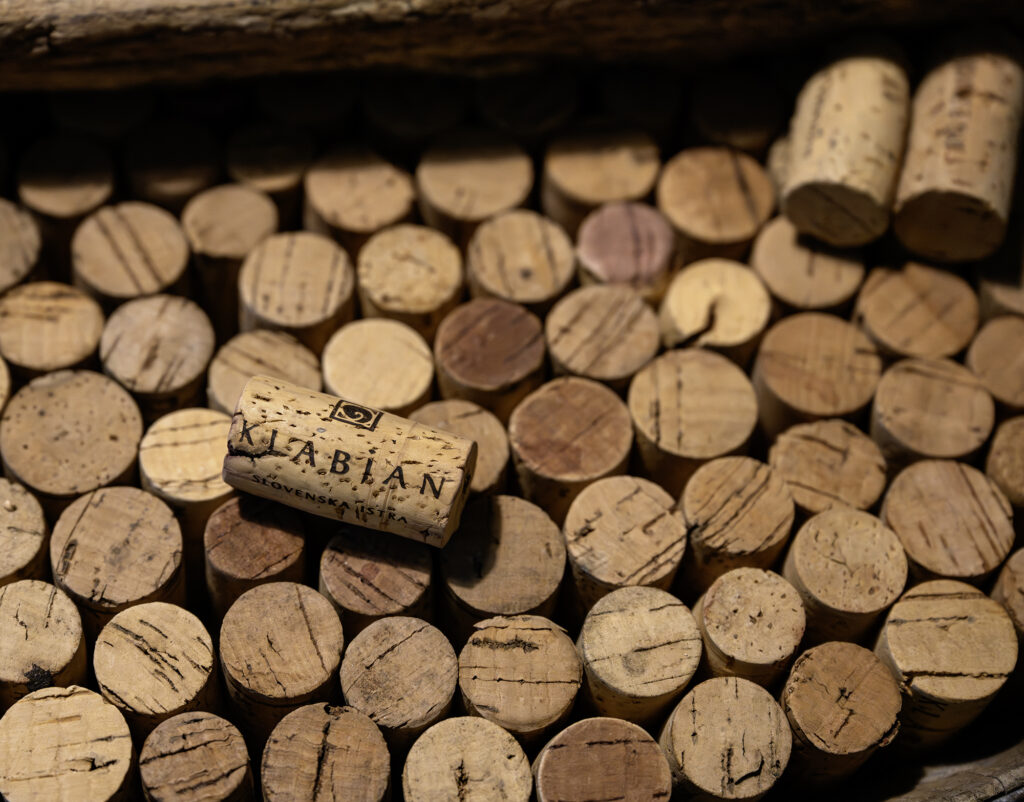
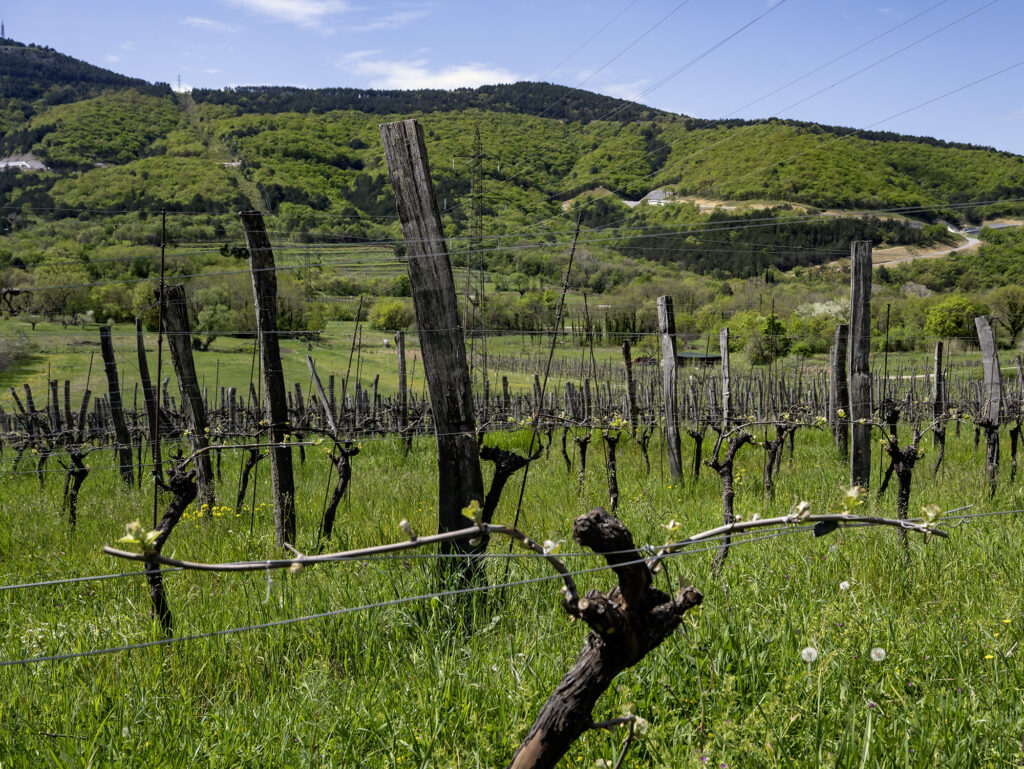
The vineyard extends over ten hectares in the Osp valley, with around 60,000 vines, some 50 to 150 years old, others 20 to 35 years younger, where red and white grape varieties are mixed in the same row, following a local tradition. With 15 to 20,000 bottles a year, we’re talking about a small, low-yield production – all the more so as, in his quest for purity and perfection, Klabjan likes to “play with nature as others play at the casino.”
The estate is certified organic, and the work in the vineyards and cellars is very similar to biodynamic viticulture. Two typically Istrian varietals prevail: Malvasia in white and Refosco in red (malvazia and refošk in Slovenian). Each is available in two labels according to the age of the vines, making a total of four wines. But if we’re expecting a quick tasting, we’re in for a surprise. For this man with a radical approach likes to experiment. Depending on the year, he has a vision of what he wants to produce, changing his style, maturing some of his wine in barriques or foudres, others in stainless steel vats, and others still in concrete or terracotta eggs. So there are dozens of variations, and our host undertakes to let us taste them all. “Fish pee in water, I don’t drink water,” he says. “There’s already almost 90% water in wine.” The tone is set…
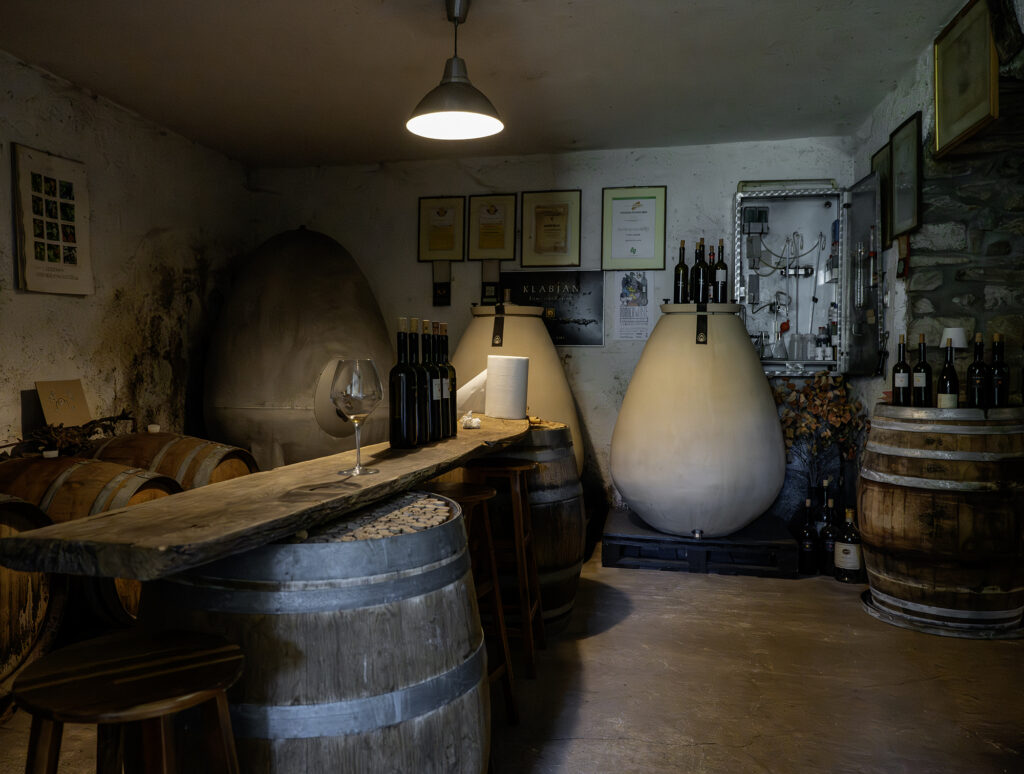
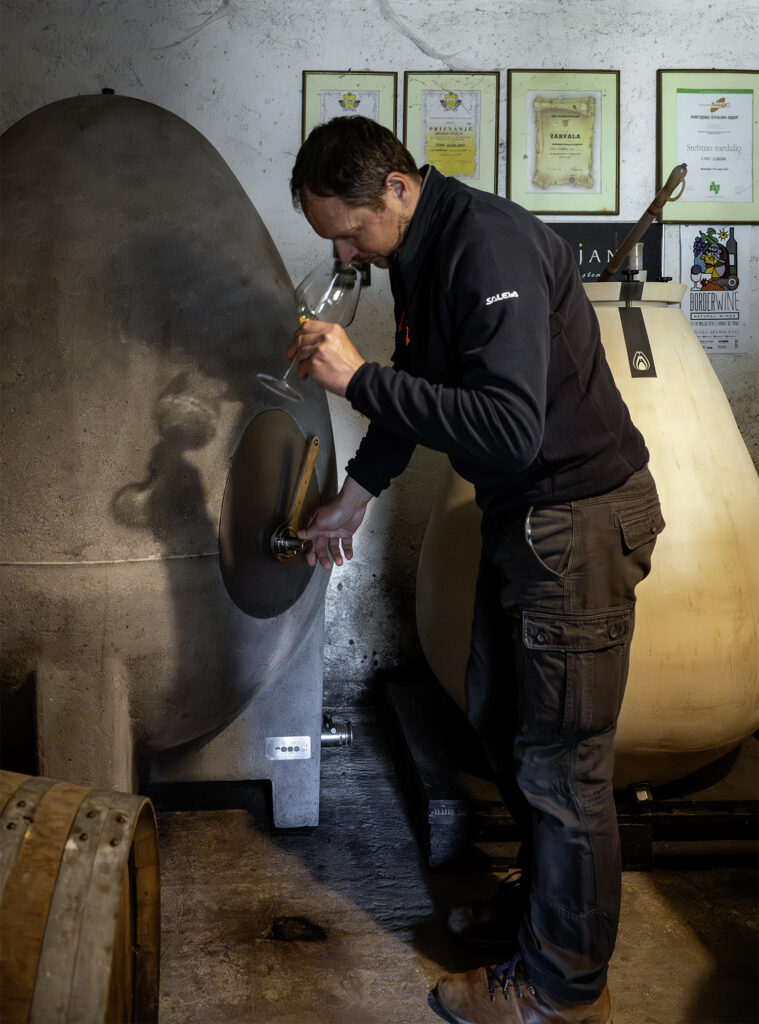
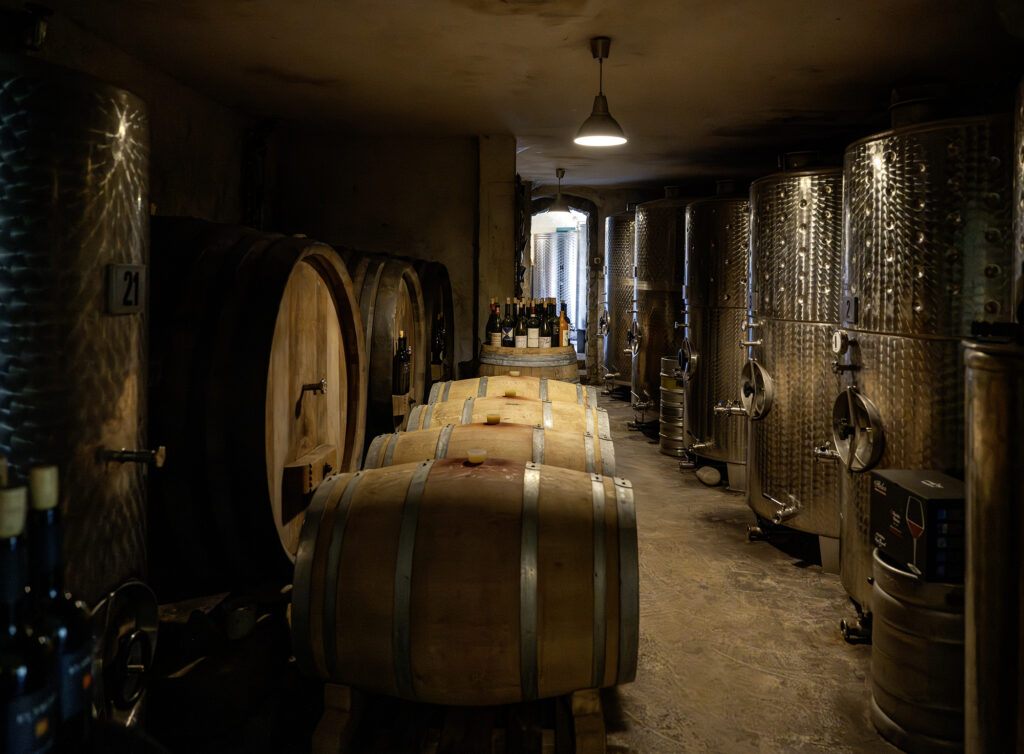
Standing in the cellar in front of a counter – a wooden plank resting on top of two barrels, surrounded by vats, casks and bottles that cover just about every flat surface, we begin the tasting. First the 2020 and 2021 young-vine Malvasia, macerated for just two or three days, aged for a year in stainless-steel vats, unfiltered, virtually sulfite-free, completely unadulterated. “It’s my wine, I drink it every day, but damn, it’s good!” exclaims Uroš. Next up is the 2021 old-vine Malvasia, a blend of 13 different plots, aged in eggs, “a real product of the vineyard made by a winemaker, not an oenologist.” Each parcel is macerated differently, from five to fifteen days, depending on the terroir and the experience acquired over the years, as maceration does not work in the same way on all grapes and all vintages. One wine follows another, with bouquets often revolving around apple, pear, and citrus fruit, with floral notes.
Then it’s time for the reds. The young-vine Refosco is typically macerated for two weeks, then aged in stainless-steel vats and foudres for a small proportion. The 2020 vintage represents Klabjan’s latest discovery: a two-day maceration for a third of the grapes, a one-day maceration for another third, and pressing without maceration for the final third. The result is a very pleasant, light wine. The old-vine Refosco, with its longer ageing, offers a nose of red fruit and spices (pepper, cloves). Uroš continues to jump (sometimes literally) from vat to vat, barrel to barrel, wine thief in hand, before my increasingly misty gaze…
Klabjan wines are a real discovery. From a first bottle that was already very good, virtually every wine that followed turned out to be better than the previous one: more complex, richer, more concentrated. Single-vineyard wines make for a pretty consistent tasting experience, and the two varietals in question deserve to be better known.
Organic Anarchy
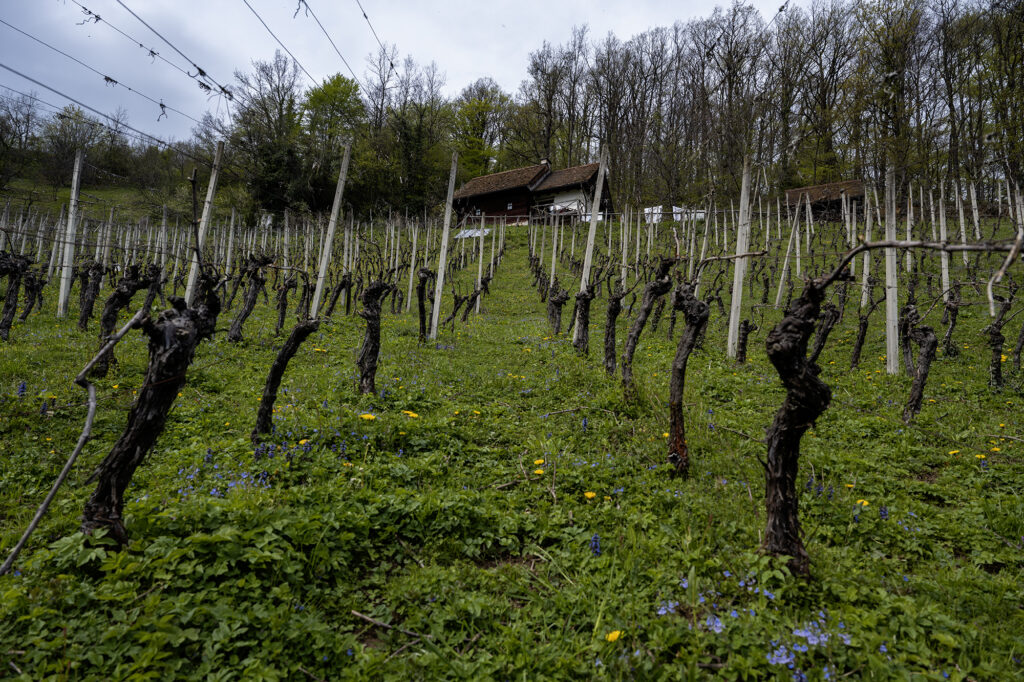
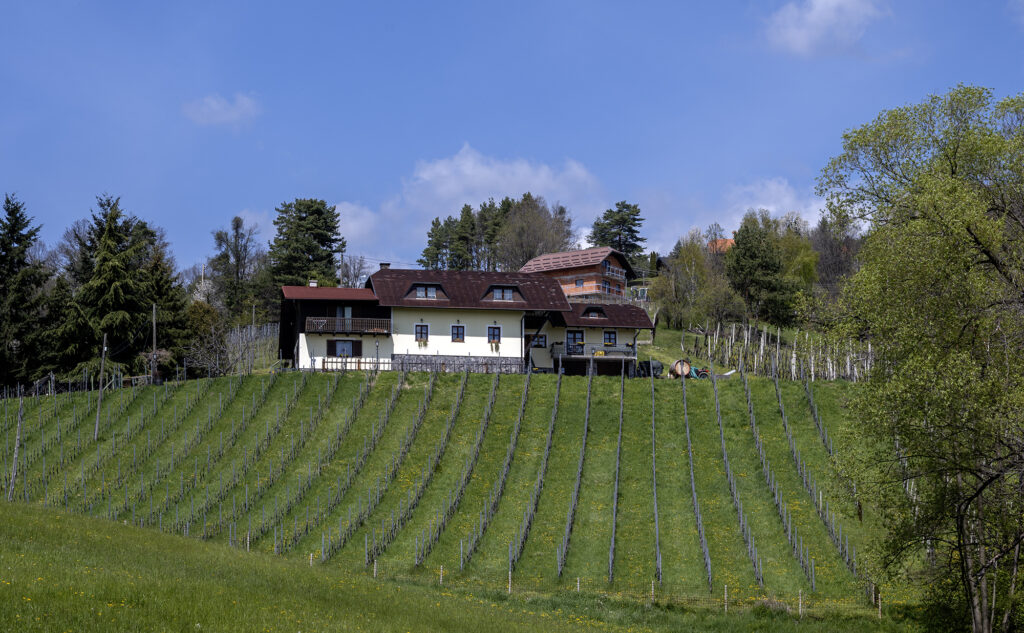
Now we come to the hard core of the Slovenian biodynamic movement, where mysticism, occultism, and unpressed grapes all macerate in the same barrel. Getting to Organic Anarchy, the GPS panics, sending me one way and then the other. This is because the owner, Aci Urbajs, lives at the top of a hill served by a tiny road that winds around all the slopes, some sections of which have been abandoned for decades. I finish the climb on foot through the vineyards, to Aci’s obvious amusement.
In 1987, after studying economics and working in IT, Urbajs father and son purchased a plot of land (the present vineyard) that they had spotted a few years earlier while hunting. Without knowing much about winegrowing, they set out on their own. In the late 1990s, Aci converted to biodynamic viticulture – and, inevitably, gave up killing animals. Shortly afterwards, he met the famous Stanko Radikon, who helped him produce natural wines at a time when Slovenian consumers were just beginning to understand that co-op wine may not be all that good. When orange wines became fashionable a few years later, Organic Anarchy’s uncompromising practices and tiny production triggered a real cult following, especially abroad.
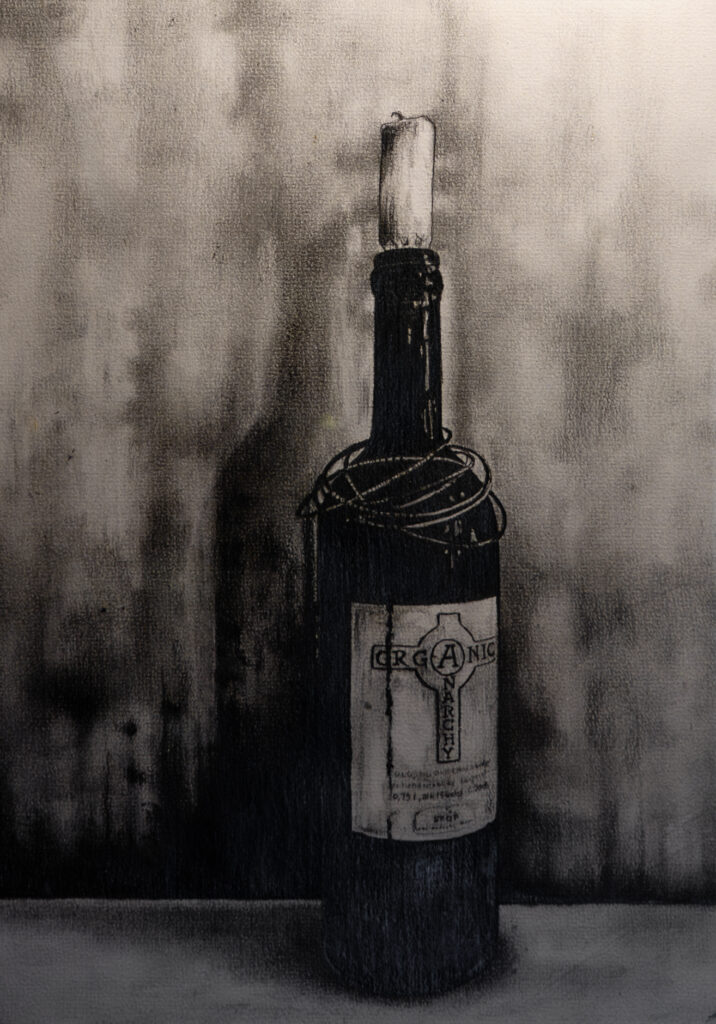
Located in the eastern part of the country in Lower Styria, the hill I’m standing on is also home to archaeological sites containing a number of artefacts which perhaps explain the Celtic cross on Organic Anarchy’s labels. Urbajs owns 3.5 hectares of vines and almost as much woodland. He grows Kerner (a cross between Riesling and Trollinger), Chardonnay, Pinot Gris, Blaufränkisch and Pinot Noir, on land flanked by fruit trees and an herb garden that slopes steeply down into the valley. In a good year, its 6,000 vines produce around 4,000 bottles. No machinery here: four horses help with the farm work and fertilizing the vineyard. In winter, Aci snowboards down the hill.
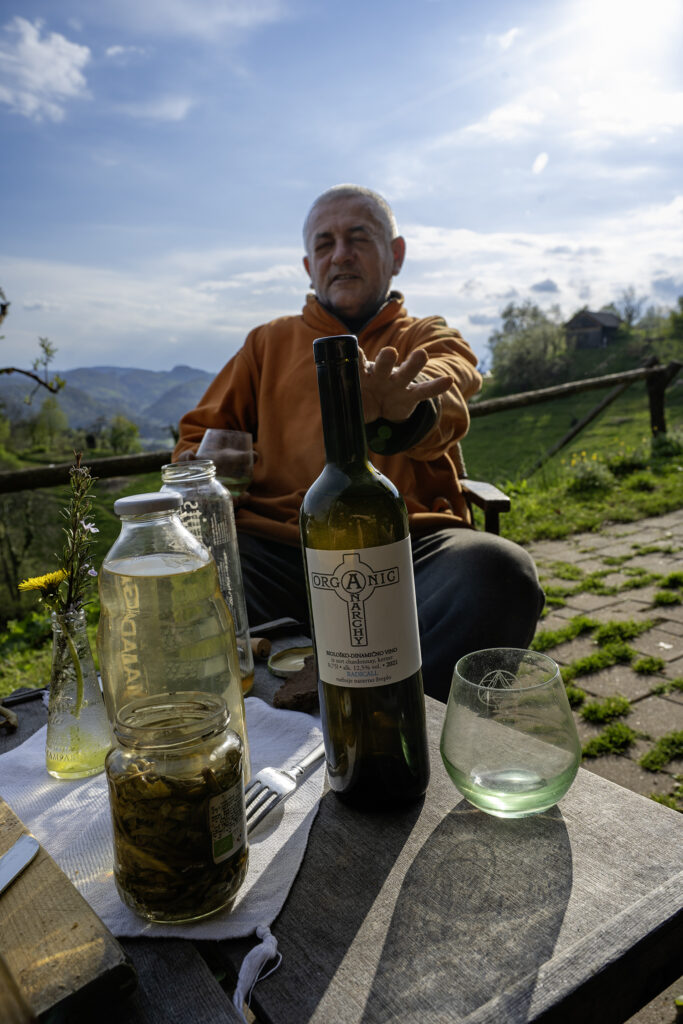
The Organic Anarchy tasting is more of a conversation on the terrace in the middle of the vineyard. It begins with a sort of demonstration of the virtuous circle of biodynamics. My host mentions his spiritual master Rudolf Steiner, born exactly a century before him, and explains that “plants, not wine, are at the heart of Organic Anarchy’s philosophy.” He first brings an infusion of grape leaves fermented with honey, then the same beverage acetified into a sweet vinegar. To complete the circle, he offers me grape leaves marinated in his grape leaf vinegar, to be eaten with bread prepared with wine lees. The circle, a strong symbol of biodynamics, is of course embodied in the management of resources, such as composting plant matter and using manure from the farm’s animals to create a self-sufficient ecosystem. But Aci also tries to detect or create cycles everywhere.
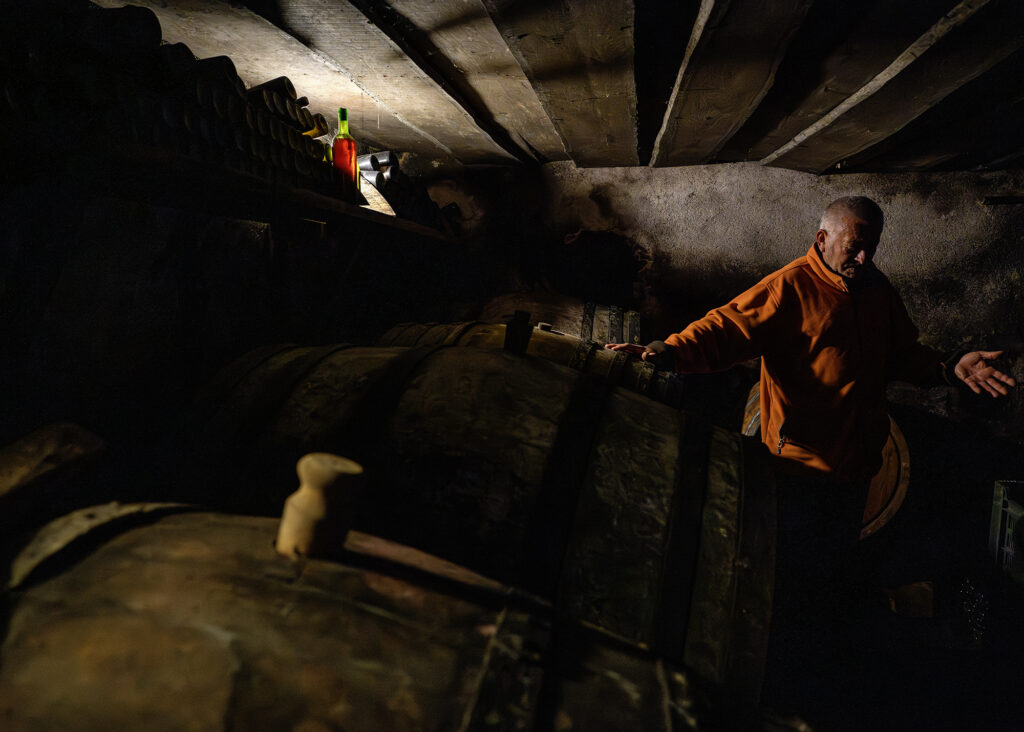
After telling about his life, he explains his wine philosophy in three points: hyperoxidation, which consists in forcing oxidation of the must before fermentation in order to reduce its phenol content (and produce less astringent wines, or avoid undesirable oxidation later on), but which above all in biodynamic philosophy is a means of producing a living wine, for there is no life without oxygen; the seeds, also symbols of life, used in maceration and then spread in the fields along with the wine pomace; and ether, the fifth element in esotericism, a kind of vital force associated with heat, which accelerates wine ageing. As for the rest, Urbajs strives for purity rather than quality. Produced without sulfites, the wine is macerated for an average of three weeks, fermented with indigenous yeasts, aged on lees in neutral oak barrels until the next harvest, then bottled unfiltered – with the exception of Radicall, a wine dedicated to the memory of Stanko Radikon, where the lees are filtered before bottling. He has also created his own glasses and decanter. The stemless glasses, decorated with cosmograms of water or the sun, are designed to be held with one’s whole hands, helping the consumer to come into contact with the wine. By rotating the wine in the decanter, whose neck shape evokes the elliptical trajectory of the moon around the earth, we imbue it with a movement similar to planetary rotation, connecting it to terrestrial and lunar forces. Is the cosmic nectar better for it?
Well, we’ve been talking for probably an hour and still haven’t had a drop of wine. My host finally uncorks the first bottle – and the only one, for he considers that after offering a glass, the circle is closed (this time the metaphor escapes me) and his role comes to an end. I’m then free to continue chatting, strolling around his estate, or buying more bottles to consume on the spot or later. He won’t talk about his finished wines – nature makes them, not him, and he doesn’t know how to analyze them.
And what do I think? The wines are good, but not always very distinctive. Because nature decides everything, quality is variable. At the opposite end of the spectrum from Klabjan’s thoughtful wines, we’re dealing with wines that should be drunk as much for their embodiment of the Platonic ideal of biodynamics as for their intrinsic quality. Aci explains that, once uncorked, their taste continues to evolve after a day, a week, or even a month. He also asserts that “natural wine has to turn to vinegar, otherwise it doesn’t make sense.” Except that I don’t drink vinegar by the glass.
Zorjan
Just half an hour’s drive from Organic Anarchy, still in Lower Styria but on the edge of the Pohorje forests, Zorjan is arguably even more extreme. Ex-policeman Božidar Zorjan and his wife, Marija, inherited their vineyard in 1980. In just a couple of years, they turned to organic farming, producing their first wine in 1986. They acquired amphorae in 1993, and their 1995 vintage was already aged in these terracotta vessels – long before other pioneers like Joško Gravner were using them. Yet few people have heard of Zorjan’s wines…
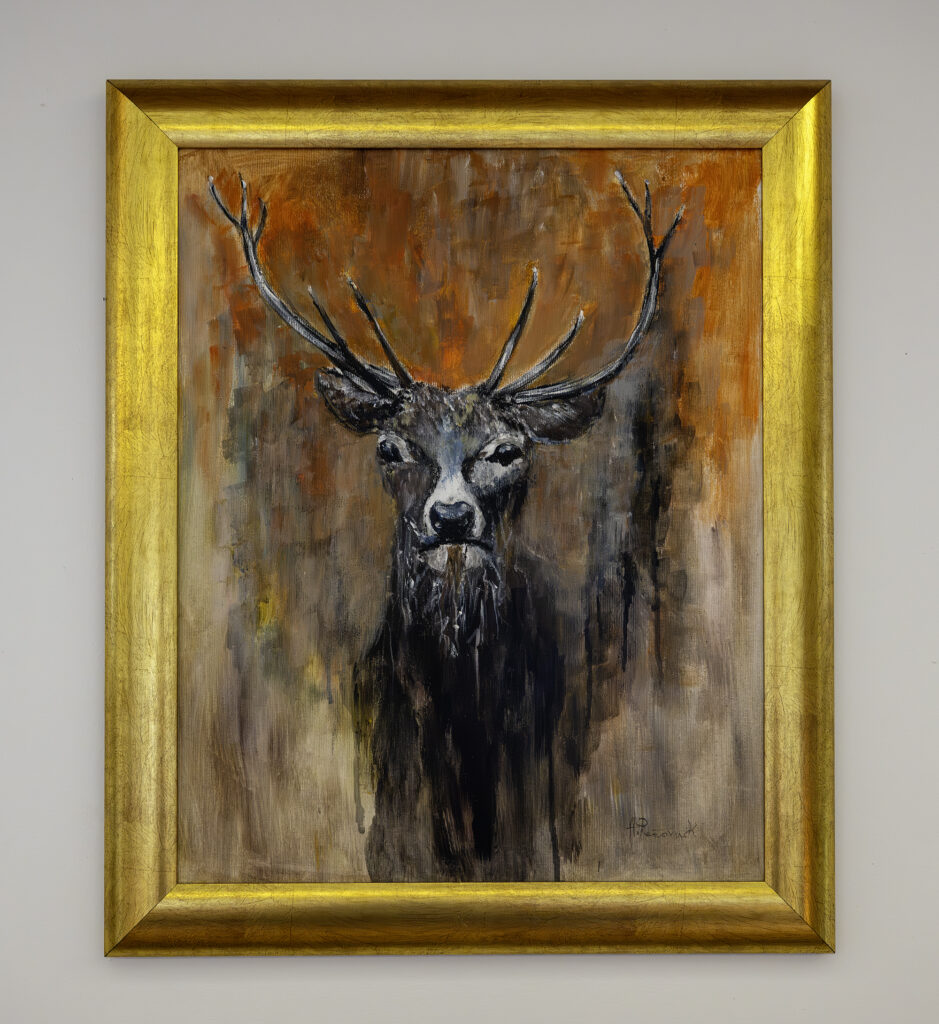
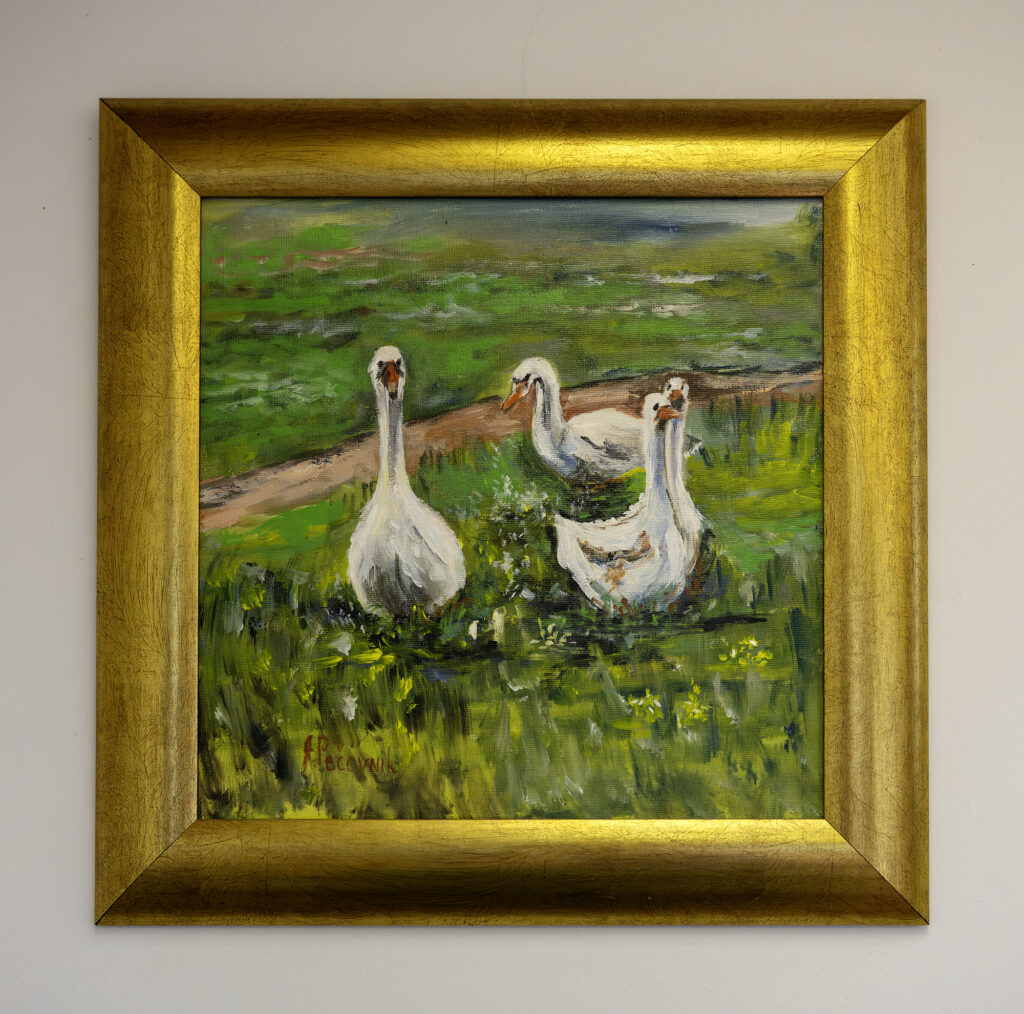
The owners welcome me into their large oak dining room, a temple to Slovenian anthroposophy and biodynamics. The furniture is made from wood salvaged from old grape presses. The walls are decorated with portraits of deer and rams, a painting of geese – and a painting by Irwin. A saber and a bust of a German general sit opposite the table for reasons unknown. The whole arrangement makes the room look a bit like a Laibach music video.
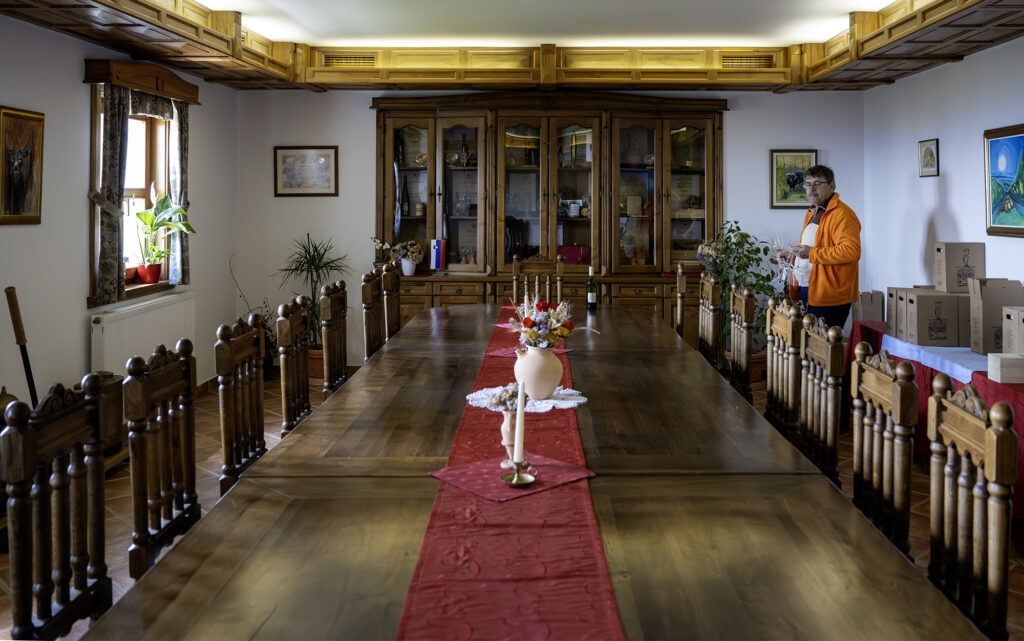
My host doesn’t speak a word of English, and while waiting for a translator – a colleague with a degree in agriculture from the University of Maribor – I communicate in an amalgam of poorly mastered Slavic and Germanic languages. He explains that, with the exception of his fellow biodynamic enthusiasts (Aci Urbajs and Radovan Šuman), he doesn’t drink other winemakers’ wines, because only biodynamic wines are alive. What makes his wines alive are the geese, deer, and sheep that roam and defecate freely in the vineyard, the preparations he applies, and his non-interventionist, life-preserving vinification. “Man is on earth to eat and drink, not to work,” he asserts, so one must let the wine develop on its own and be content to observe. And this is to be taken literally. Once the grapes have been picked, he doesn’t press them (“if you use force, you take a life”), and dumps everything into amphorae (including Georgian qvevri) buried outside and left to the forces of nature. He finishes the wine in wood and bottles it unfiltered. The cosmos does the work. All the wines are aged in this way, first in amphorae and then in neutral barrels, for a total of three years for the whites and four for the reds, as the yeast dies after three years and Zorjan respects life too much to kill the yeast prematurely. “The best feeling is to have a clear conscience,” he says, chewing a slice of dried sausage.
We take a tour of the estate, 4 hectares covered by 16,000 vines, some of them in the middle of the forest (used in his best wines), with a yield of around 8,000 bottles a year. One room is dedicated to biodynamic preparations, with walls and shelves covered with various dried flowers, plants, and vegetables. These ingredients are spread on the vines in the form of infusions, or buried in deer bladders for use as fertilizer in the spring. How do you get deer bladders when you’re so keen to preserve life? Easy: you keep deer in a protected area and provide them with a natural diet, then ask a less fussy, hunting-loving family member to do the dirty work. The meat is used to make sausages, steaks, and goulash, while the bladders are used in the vineyard.
Just outside the house, we contemplate a few small piles of earth covered with sparse weeds. This is where the amphorae are buried, and it’s strictly forbidden to take photos or go near them with a cell phone, to avoid any negative energy.
Back in the anthroposophical dining room, it’s time for tasting. On the labels (which never mention the vintage), a primitive drawing of male and female figures resembling trees with their roots intertwined testifies to the Zorjan couple’s symbiosis with nature. We taste several whites, including a blend of seven grape varieties (Riesling, Welschriesling, Zeleni Traminer, two types of Muscat, Chardonnay, and a local variety called Renina), as well as single-varietal wines. All are very good, with pronounced orange character but well-balanced. Bouquets combine notes of citrus, flowers, and honey, and a small amount of residual sugar (about a gram) makes for a sweeter finish. Zorjan saves the best for last: Muscat Ottonel, which was once named the world’s best orange wine by Decanter magazine. It’s a late-harvest with a glorious nose and lovely length on the palate, boasting some of the same aromas, but also a taste of hazelnuts and a touch of oxidation.
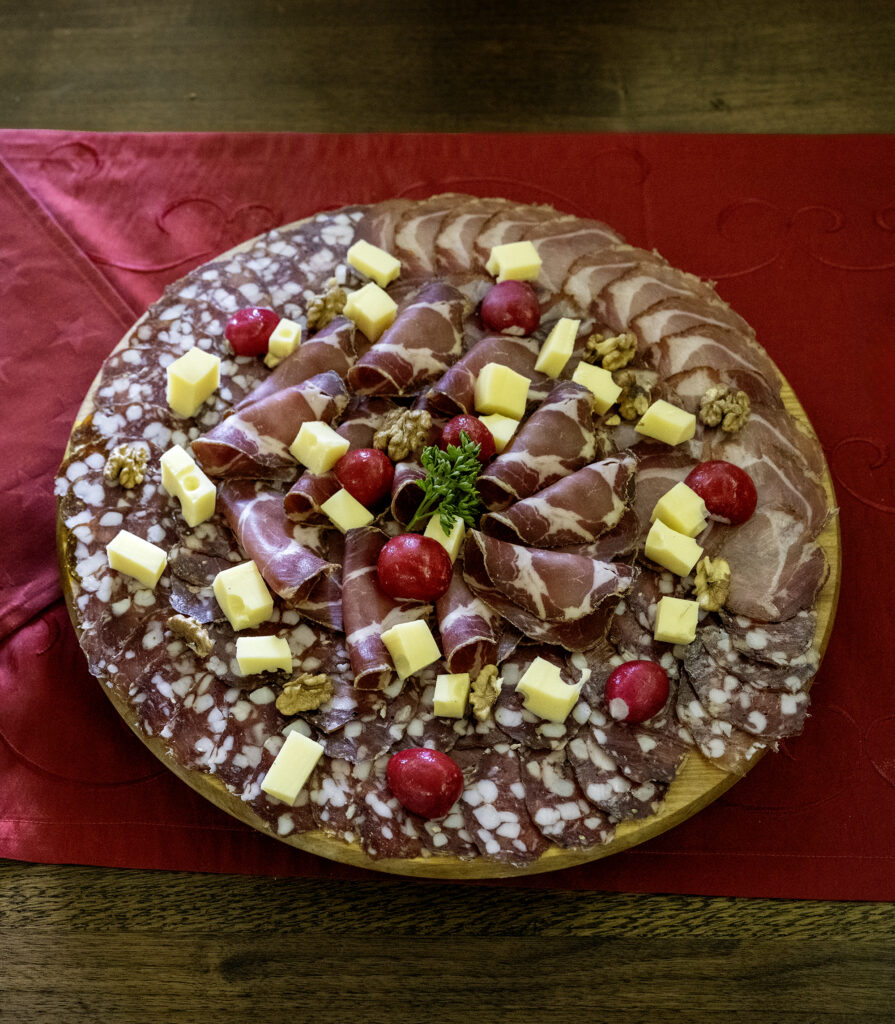
Next comes a red wine, a blend of Zweigelt and Hamay, so black and opaque that light barely gets through. After a year in amphorae and three in barrels, the nose evokes concentrated red fruit (including blackberry and cherry) with hints of kerosene; the finish offers lovely acidity but also recalls tannic berry juices. The wines are accompanied by the famous deer sausage, as well as coppa and bacon made from Krškopolje pigs, or black belted pigs, a species renowned for the marbling of its meat. Zorjan recommends pairing this charcuterie with some of his whites.
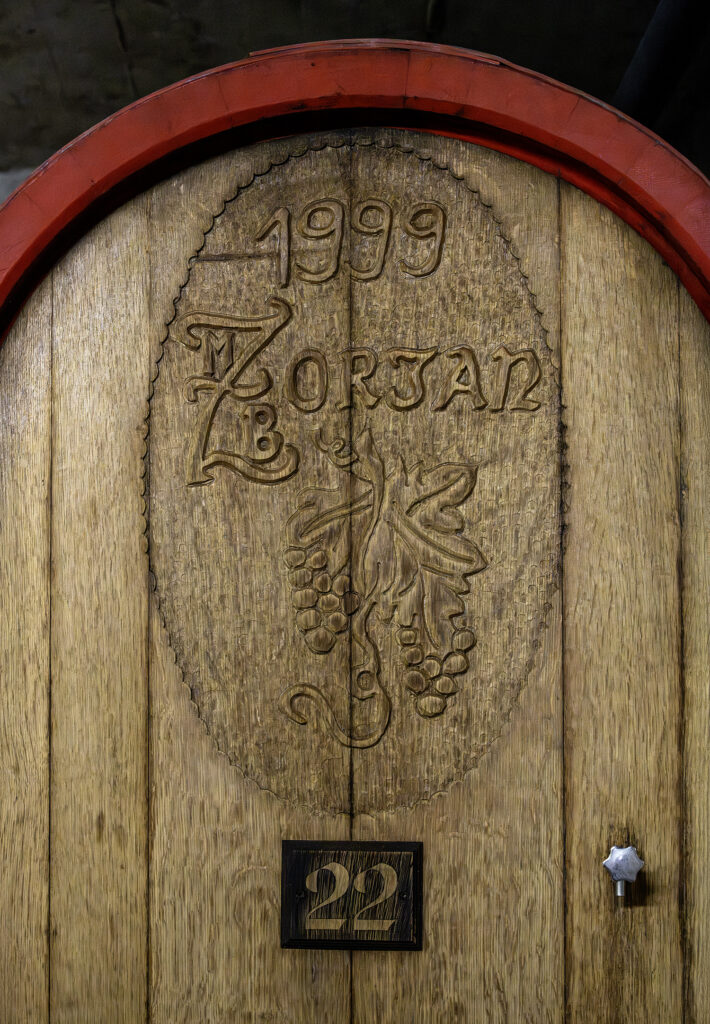
I leave the winery impressed by the quality of these wines, supposedly produced without any work – though perhaps the winemaker’s know-how has something to do with it. But Božidar persists: “If you let nature do its work, you get the very essence of the grape. And that’s what’s best for man. In nature, everything forms a circle.” Sounds like something I’ve heard somewhere before…